In short
- Ostia Antica is 30 kilometers (19 miles) from Rome, making it an easy half-day trip.
- You can reach Ostia on a standard €1.50 public transport ticket.
- Ostia features remarkably intact apartments, bathhouses, and businesses preserved by river silt.
In this article
Travelers often weigh visiting Ostia Antica against a trip to Pompeii. Ostia was Rome's grand harbor city. Following its abandonment, river silt preserved its structures over centuries. Today, the 150-hectare site reveals the intricate daily life of ancient Roman citizens.
How do the travel times from Rome compare?
Ostia Antica is extremely close to Rome, requiring only 45 minutes of transit.
Ostia Antica sits approximately 30 kilometers (19 miles) west of central Rome. You can reach the ruins quickly and cheaply. Take the Metro B line to Piramide station, then transfer to the Roma-Lido commuter train. The entire journey costs just €1.50 using a standard Rome public transport ticket.
How was Ostia Antica preserved?
Centuries of river silt covered and protected the abandoned harbor city.
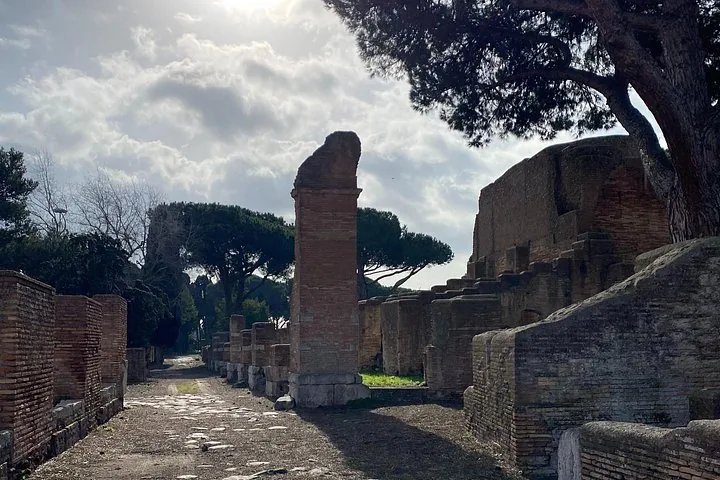
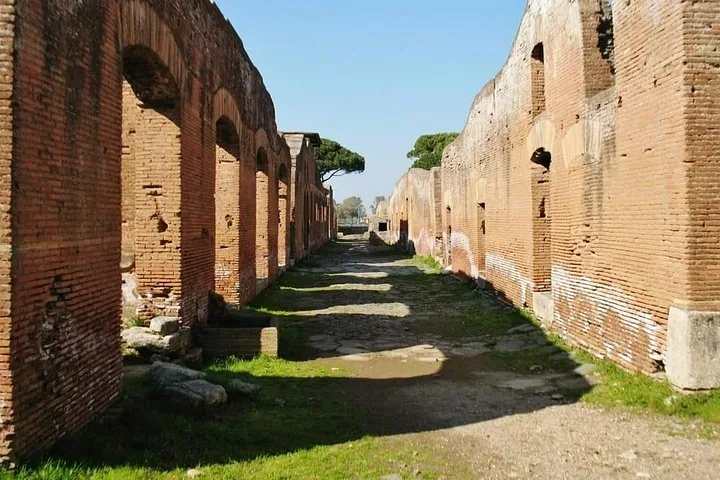
Ostia Antica experienced a slow decline. The seaport was completely landlocked as the coastline advanced 3 kilometers (1.8 miles). Mud from the Tiber River eventually covered the ruins. This silting remarkably preserved the city's brick structures. You will see intact apartment blocks, commercial bakeries, and large public bathhouses.
Is Ostia Antica smaller than Pompeii?
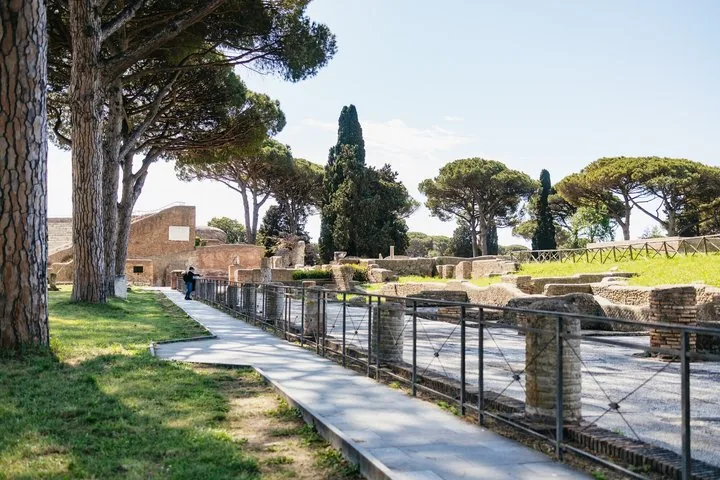
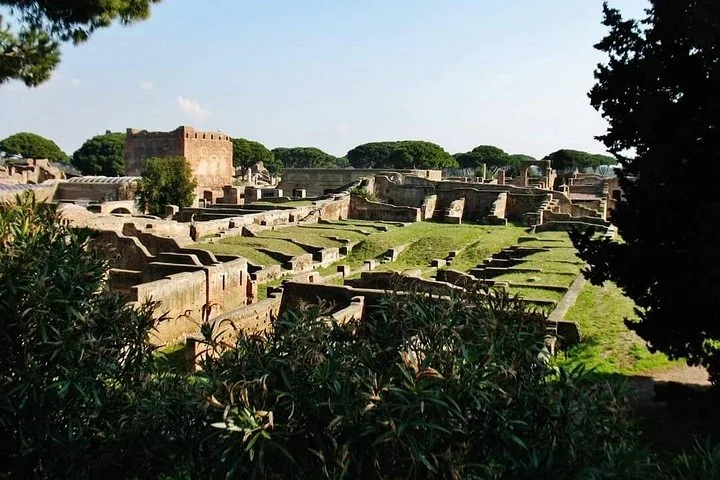
Ostia Antica is vast, covering roughly 150 hectares of land.
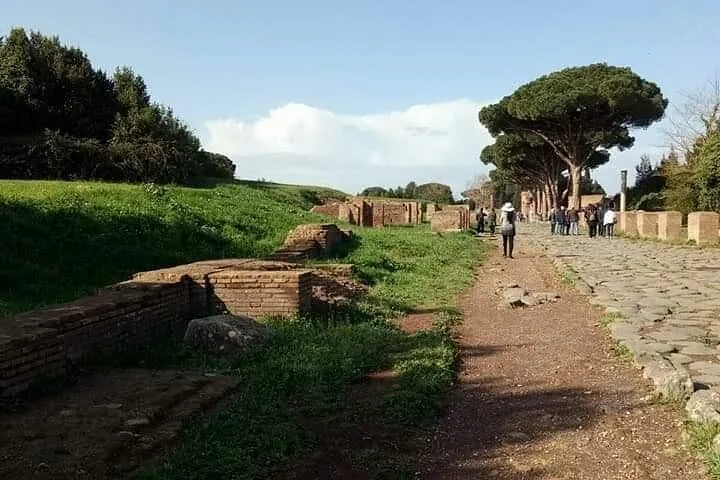
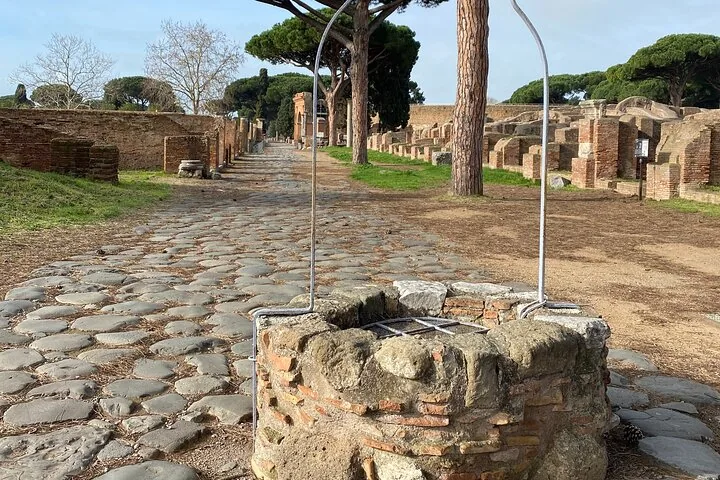
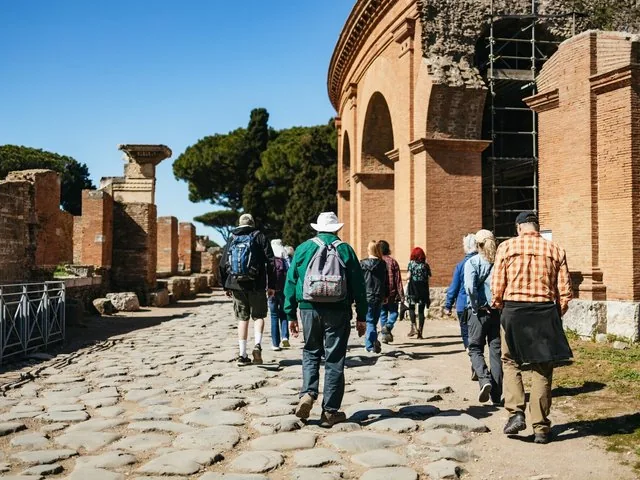
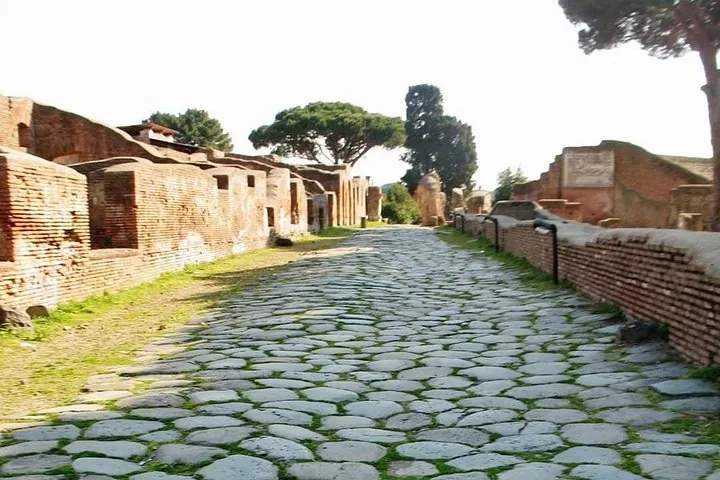
Ostia is one of the largest archaeological sites in the world. You will find plenty of space to examine the paving stones and ancient ruts on the Decumanus Maximus. The massive site requires sturdy walking shoes due to uneven cobblestones and rocky pathways.
How much does it cost to enter?
Ostia Antica entry ranges from €12 to €18 for adults.
Adult entry prices change based on seasonal exhibitions. EU citizens aged 18 to 25 pay just €4. Visitors under 18 always enter for free. If you visit on the first Sunday of the month, everyone receives free admission to the park.
What unique ruins will you see?
Ostia highlights port commerce and working-class housing.
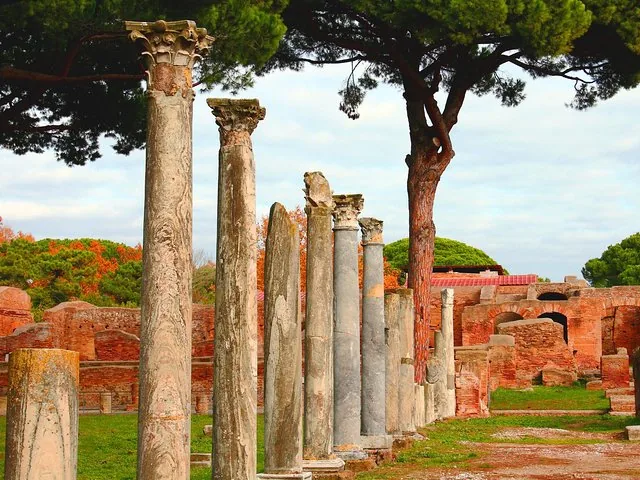
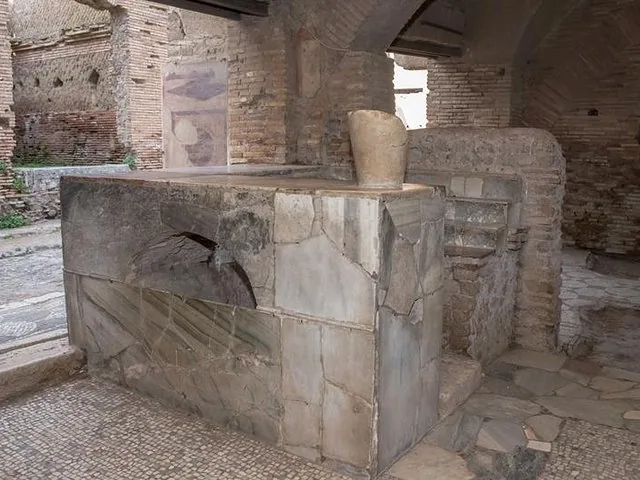
During its 2nd-century AD peak, Ostia housed 50,000 to 100,000 residents. You will walk through the Piazzale delle Corporazioni, the ancient Square of the Guilds. You can also explore a well-preserved ancient fast-food restaurant with a painted wall menu, and multi-story brick apartment buildings.
How much time do you need?
Ostia Antica fits easily into a half-day itinerary.
Booking a guided excursion from central Rome typically takes 4 to 5 hours in total. This makes Ostia perfect for travelers wanting to explore ancient Roman ruins without committing an entire day to transit. The site opens year-round from Tuesday to Sunday at 8:30 AM.
Questions travellers ask
Is Ostia Antica worth visiting instead of Pompeii?
Yes, especially if you have limited time in Rome. Ostia Antica offers a massive, highly preserved ancient city just 45 minutes away. You can explore it fully in a 4-5 hour half-day trip.
How do I get to Ostia Antica from Rome by train?
Take the Metro B line to Piramide/Porta San Paolo station. Transfer to the Roma-Lido commuter train and ride to the Ostia Antica station. The 45-minute trip uses a standard €1.50 Rome public transport ticket.
Are guided tours available for Ostia Antica?
Yes. A guide is highly recommended to understand the immense 150-hectare site. Informational placards within the archaeological park are relatively sparse.